

.jpg)
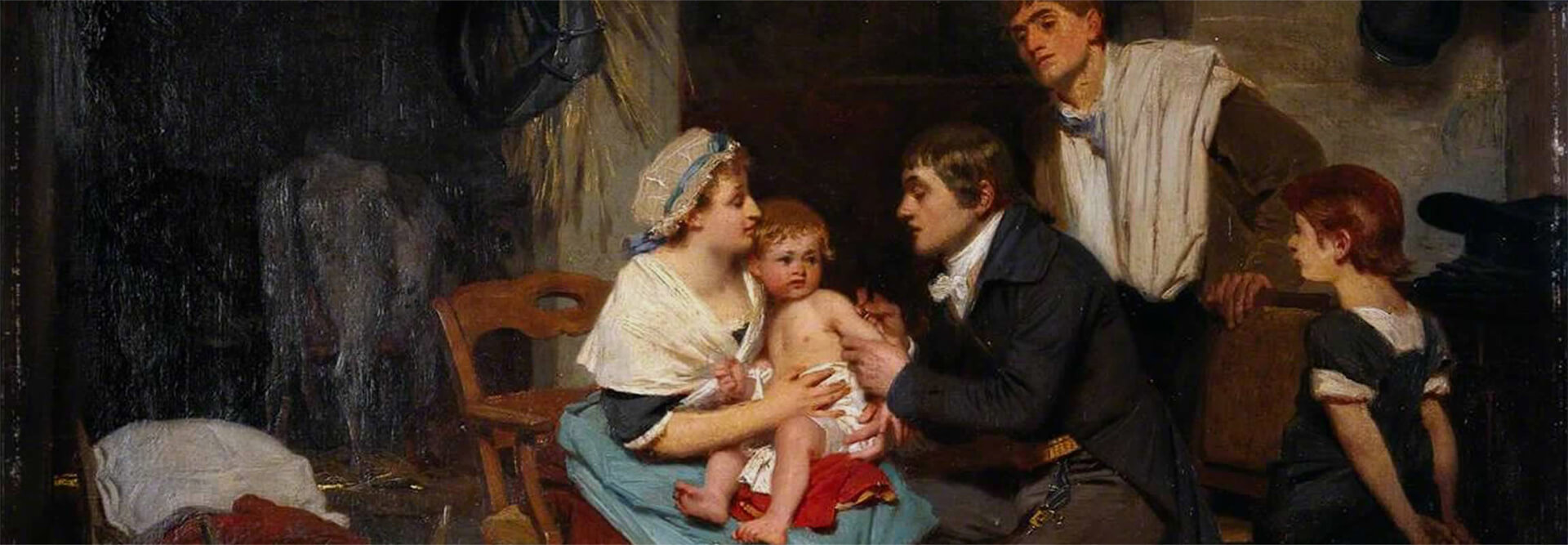
The First Liver Transplant in the World
-
Context and Preparation
Before the 1960s, advanced liver diseases such as cirrhosis and acute liver failure were often fatal because there were no effective replacement therapies. Numerous animal studies were conducted to develop transplantation techniques and suitable methods of immunosuppression. Defining brain death and establishing procedures for organ donation were also major challenges.
The First Liver Transplant
In 1963, Dr. Thomas E. Starzl performed the first human liver transplant. Although the patient did not survive long term, the procedure was technically successful—the transplantation of a human liver from one person to another, including the connection of blood vessels and the bile duct, marked a major turning point: human-to-human liver transplantation was possible.
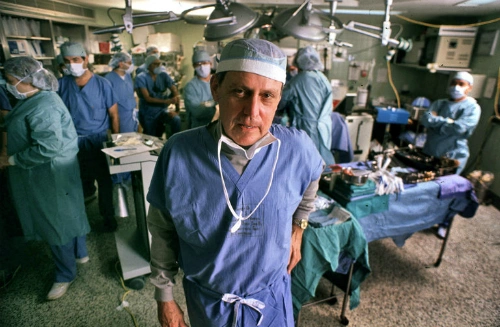
In 1967, Starzl and his team achieved a more successful liver transplant, with the recipient surviving for more than one year and maintaining good liver function.
Impact and Development
The early success of liver transplantation laid the foundation for the development of organ transplant techniques—from improvements in surgical methods and liver preservation to the use of immunosuppressive drugs to prevent organ rejection.
Today, liver transplantation has become a life-saving treatment for many patients with chronic liver failure or end-stage liver cancer. Survival rates during the first year and in subsequent years have improved significantly.
Educational Value for Medical Training
The story of the first liver transplant is clear evidence of the spirit of innovation, courage, and humanity in medicine. It reminds medical students and healthcare professionals that every major technique begins with difficult experiments—with the journey from what once seemed “impossible” to what became “possible.” Displaying this topic in a medical museum helps visitors understand the history of medical progress while also appreciating the profound value of organ donation and patient care.


Other Posts