


.jpg)
Syphilis: The Scourge of the Renaissance
During the Renaissance, the transformation of epidemic diseases or the classification of prominent diagnoses created an impression similar to the transformation in art, science, and scholarship. Although leprosy had not completely disappeared, and plagues continued to afflict Europe, diseases that were previously rare, nonexistent, or unrecognized – such as syphilis, typhus, smallpox, and influenza – now became major public health threats. Many diseases required a comprehensive record, but none posed more compelling issues than syphilis, “the scourge of the Renaissance.”
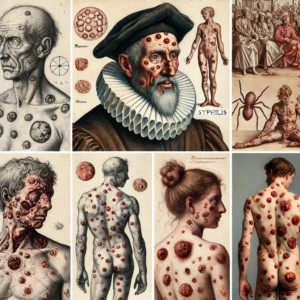
Because syphilis is a sexually transmitted disease, it served as a particularly sensitive tool for probing the dark corners of human relationships worldwide, as well as the intimate connections between societal and medical concepts.

Key Points about Syphilis and its Scourge during the Renaissance:
Widespread Transmission:
- During the Renaissance, the spread of syphilis was very common due to poor living conditions and low hygiene standards. The rapid spread of the disease caused major epidemics, affecting millions across Europe.
Impact on Population:
- Syphilis caused significant losses to the population. Those affected could suffer severe complications such as brain, heart, and other organ damage, potentially leading to death. This contributed to population decline and caused immense suffering within communities.
Cultural and Social Impact:
- Syphilis not only caused health consequences but also had cultural and social impacts. Infected individuals were often stigmatized and ostracized, leading to suffering and isolation. It could also cause many upheavals in social and familial relationships.


Other Posts