

.jpg)

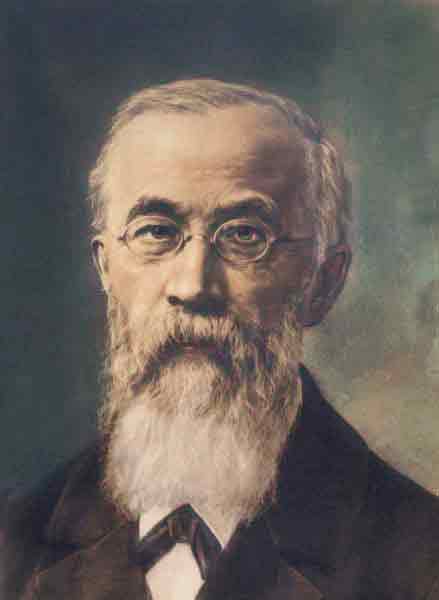
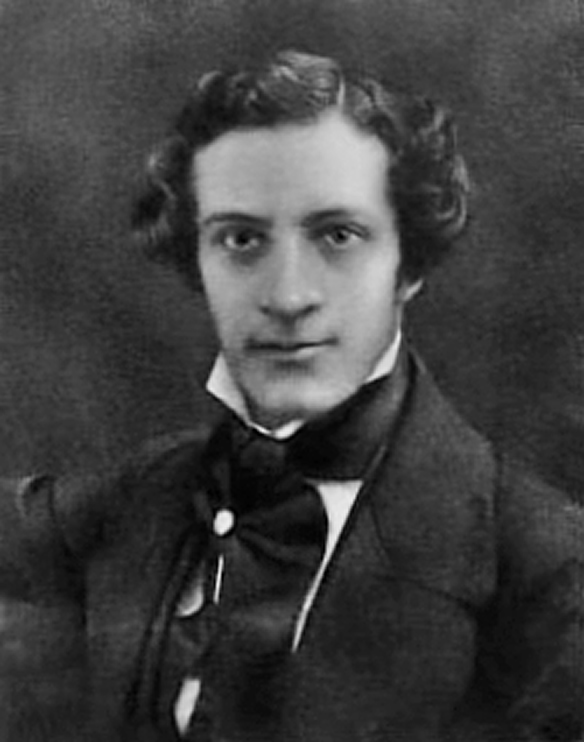
Edward H. Shortliffe
Edward H. Shortliffe (1947–)
A Pioneer of Artificial Intelligence in Modern Medicine
Biography and Education
Born in 1947 in Edmonton, Canada, Edward H. Shortliffe showed an early passion for science and technology.
He earned a Bachelor’s degree in Applied Mathematics from Harvard University in 1970, and later continued his studies at Stanford University, where he received a PhD in Medical Information Systems in 1975 and a Doctor of Medicine (MD) degree in 1976.
At Stanford, Shortliffe was inspired by the interdisciplinary environment where medicine, computer science, and the philosophy of science intersected—an influence that would shape his later research career.
Major Contributions
The creator of MYCIN – the first medical expert system
While still a graduate student, Shortliffe developed MYCIN, an expert system capable of diagnosing infectious diseases and recommending appropriate antibiotics based on logical rules and clinical data.
MYCIN became the first landmark symbol of artificial intelligence in medicine, laying the foundation for today’s Clinical Decision Support Systems.
Although it was created in the 1970s, when computers were still highly limited, MYCIN demonstrated that AI could reason in ways similar to physicians, opening an entirely new direction for the application of technology in medicine.
A Founder of Biomedical Informatics
After the success of MYCIN, Shortliffe became a key architect of the academic foundations of Biomedical Informatics at Stanford, and later at Columbia University and the University of Arizona.
He helped shape the teaching, research, and application of medical data, emphasizing the relationship among humans, computers, and medical knowledge.
He also served as Editor-in-Chief of the Journal of Biomedical Informatics for nearly two decades and was co-author of the classic textbook Biomedical Informatics: Computer Applications in Health Care and Biomedicine.
Awards and Honors
For his outstanding contributions, Edward H. Shortliffe has received many prestigious awards:
-
Grace Murray Hopper Award (ACM, 1976) – for an outstanding young scientist
-
Morris F. Collen Award (ACMI, 2006) – honoring lifetime achievement in medical informatics
-
François Grémy Award of Excellence (IMIA, 2021) – the highest award of the International Medical Informatics Association
He is also a member of the U.S. National Academy of Medicine (NAM) and of many international associations in the fields of AI and biomedical science.
Influence and Legacy
Edward Shortliffe is not only a scientist, but also a bridge between medicine and technology.
From his vision, today’s AI systems—from diagnostic imaging support and disease prediction to personalized medicine—all bear the influence of MYCIN and the philosophy that knowledge must be represented and shared in order to serve humanity.
Exhibition Message at Apollo Medical Museum
At the Apollo Medical Museum – Phan Chau Trinh University, Edward H. Shortliffe is honored as a symbol of the era of digital medicine, in which artificial intelligence becomes an ally of physicians.
He reminds us that:
“Artificial intelligence does not replace human beings; it amplifies human capacity to understand and care for health.”


Other Posts