

.jpg)

Consequences of Agent Orange/Dioxin
Agent Orange was a herbicide used during the Vietnam War. It contained dioxin, an extremely toxic compound that can persist in the environment for a long time and accumulate in the human body. According to the World Health Organization, dioxin can cause cancer, affect the immune system, disrupt the endocrine system, and damage reproductive function and human development.
The first and most serious consequence is its impact on human health. Many people exposed to Agent Orange have suffered from chronic diseases, skin diseases, liver disorders, neurological problems, immune disorders, and certain types of cancer. In particular, many children born into families whose parents or grandparents were exposed have suffered from birth defects, physical disabilities, intellectual disabilities, or other developmental problems. This suffering does not stop with one generation but continues across generations after the war.
In addition to its health effects, Agent Orange/dioxin has also caused serious environmental damage. Many forests that were sprayed with chemicals were destroyed, ecosystems became imbalanced, and soil and water sources in some areas remained contaminated for a long time. Dioxin “hotspots,” such as former airbases where chemicals were stored and mixed, still require years of remediation. Environmental restoration is therefore very difficult, costly, and requires long-term cooperation.
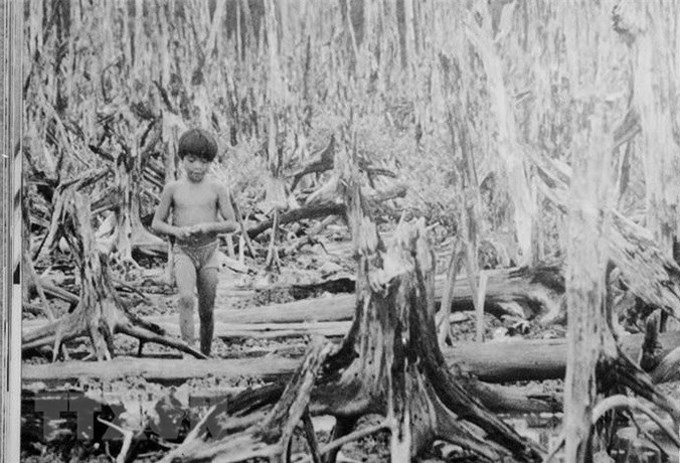
Agent Orange/dioxin sprayed by the United States over southern Vietnam destroyed the living environment and crops there, leaving consequences that continue to this day.
Agent Orange has also left deep social consequences. Many families with affected members live in difficult circumstances because of the high costs of treatment, care, and long-term rehabilitation. Those affected may face obstacles in education, employment, and community integration. This creates a burden not only for individual families but also for society as a whole.
Although the war has long ended, the pain caused by Agent Orange still remains. Caring for and supporting victims, providing rehabilitation, improving living conditions, and remediating contaminated environments are long-term humanitarian responsibilities. At the same time, this serves as a profound reminder of the devastating consequences of war and the value of peace.
In conclusion, Agent Orange/dioxin has left severe consequences for the people, environment, and society of Vietnam. This pain does not belong only to the past; it continues to affect the present and the future, requiring sustained attention, compassion, and action from both the Vietnamese and international communities.


Other Posts