

.jpg)
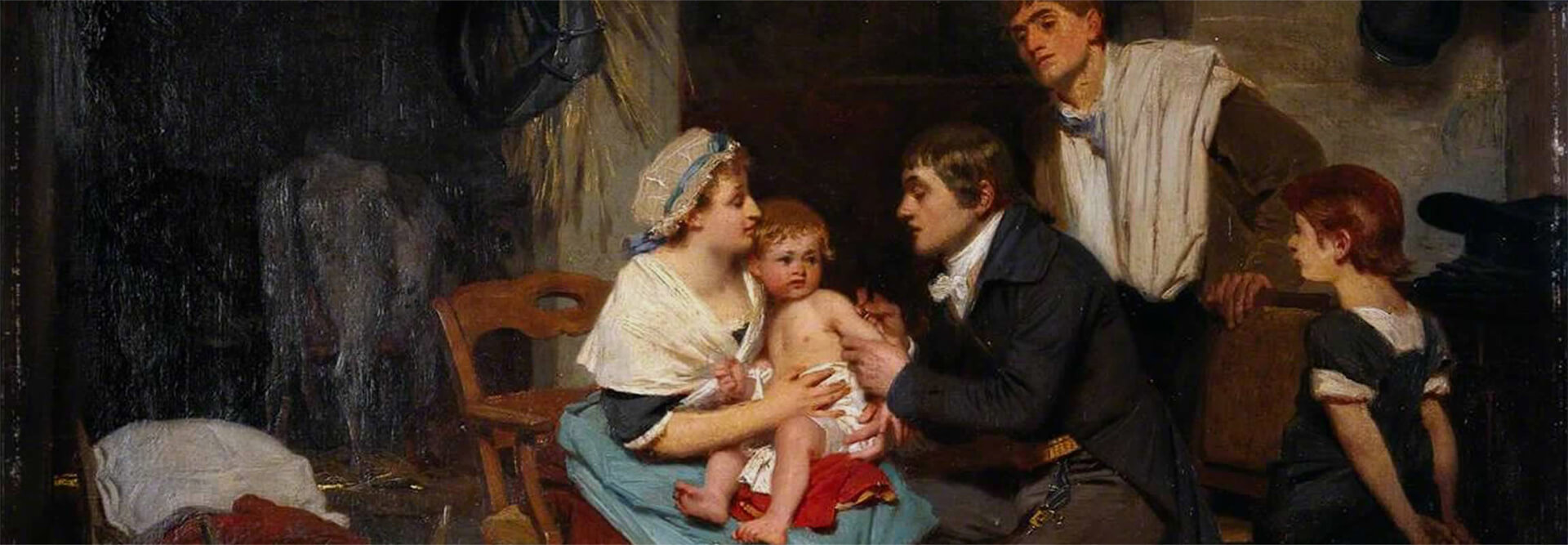
Le Huu Trac – The forefather of the Vietnamese medical profession.
Hải Thượng Lãn Ông – Lê Hữu Trác was a great physician and an outstanding cultural figure of the Vietnamese nation. He left to later generations a vast legacy in medicine and culture, with profound and enduring values in many aspects, which continue to remain practical and meaningful in society today.
Lê Hữu Trác, whose pen name was Hải Thượng Lãn Ông (1724–1791), was originally from Văn Xá hamlet, Liêu Xá village, Đường Hào district, Thượng Hồng prefecture, now Liêu Xá commune, Yên Mỹ district, Hưng Yên province. He passed away in his mother’s homeland, Bầu Thượng area, Tĩnh Diệm commune, Hương Sơn district, Hà Tĩnh province, now Sơn Quang commune, Hương Sơn district, Hà Tĩnh province, at the age of 67.
Lê Hữu Trác was born into a scholarly family. His father, Lê Hữu Mưu, passed the Third-Rank Doctoral Examination and served as Vice Minister of the Ministry of Public Works under the reign of King Lê Dụ Tông. He was later granted the title of Censor and the noble rank of Bá. After his death, he was posthumously awarded the rank of Minister. His mother was Bùi Thị Thưởng.
As a child, Lê Hữu Trác followed his father to study in the capital city of Thăng Long. He was known for his intelligence, broad knowledge, and talent in poetry. In the year Kỷ Mùi (1739), after his father passed away, he had to stop his formal studies. However, after returning home, he continued reading and studying on his own. He later sat for the Tam Trường examination, but eventually stopped pursuing the path of official examinations.
Lê Hữu Trác grew up during a period when the feudal Lê dynasty was in decline, and the Trịnh lords had seized real power from the Lê kings. The Trịnh and Nguyễn lords fought for power, while peasant uprisings broke out in many places. In 1740, the insurgent army led by Hoàng Công Chất captured Khoái Châu, near Yên Mỹ district. At that time, Lê Hữu Trác was 20 years old and had to take refuge elsewhere to continue his studies. He studied military strategy and later joined the army.
However, while serving in the Trịnh army, he witnessed firsthand the corruption of the feudal government and the suffering of the people. Therefore, when he heard that his elder brother in Hương Sơn had passed away, Lê Hữu Trác used the reason of returning home to care for his mother as an opportunity to leave the Trịnh army.
After returning home for some time, Lê Hữu Trác became seriously ill. He sought treatment from the physician Trần Độc in Rú Thành, Nghệ Tĩnh, and stayed there for more than a year to recover. During that time, he borrowed medical books to read and realized that practicing medicine could bring practical benefits to both himself and others. From then on, he became determined to study medicine. After recovering and returning home, he devoted himself to reading medical books. On one occasion, a Trịnh general invited him to return and command troops, but he firmly refused. He had chosen his life’s path: to practice medicine and help people.
In the autumn of the year Bính Tý (1756), Lê Hữu Trác went to the capital to further his studies. However, unable to find a truly good teacher, he bought more medical books and brought them back to Hương Sơn for research, while also treating local people. After ten years, he became widely renowned throughout the Hoan Châu region, now Nghệ Tĩnh.


Other Posts