

.jpg)

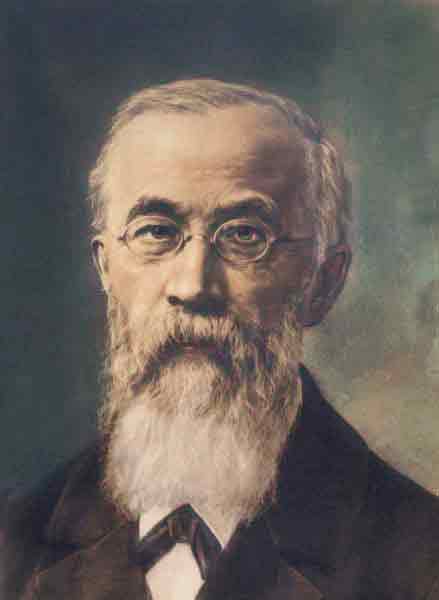
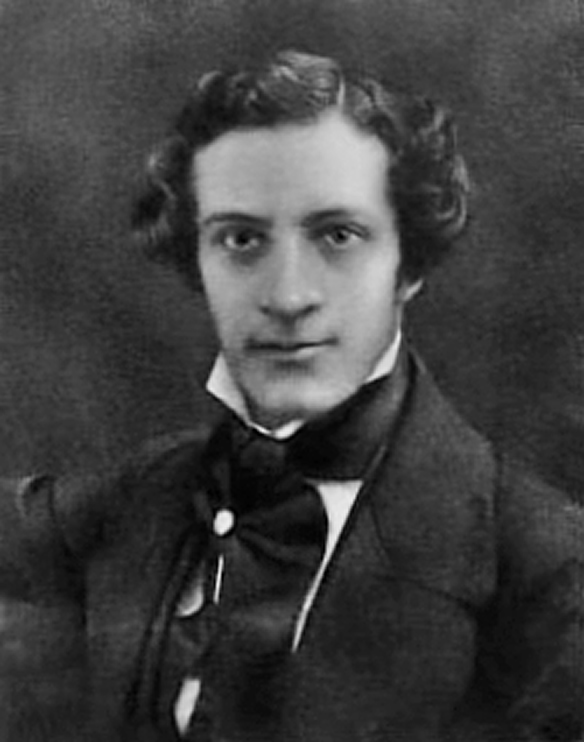
Ignaz Semmelweis (1818–1865) – The Father of Modern Antiseptic Practice
1. Introduction
Ignaz Philipp Semmelweis was a Hungarian obstetrician, honored as the “Father of Modern Antiseptic Practice.” He was the first to discover that washing hands with a disinfectant solution could prevent infection and death after childbirth—a simple but revolutionary finding that has saved millions of lives around the world.
Although his ideas were rejected during his lifetime, Semmelweis’s work paved the way for the era of aseptic medicine, forming the foundation of modern surgery, obstetrics, and clinical care.
2. Life and Education
Ignaz Semmelweis was born in 1818 in Buda, Hungary (now part of Budapest), into a German-speaking family. He studied medicine at the University of Vienna, one of the leading medical centers of 19th-century Europe, where he was strongly influenced by clinical medicine and experimental anatomy.
In 1846, Semmelweis was appointed assistant physician in the maternity division of the Vienna General Hospital (Allgemeines Krankenhaus), where he began observing cases of puerperal fever—a disease that was causing mass deaths among women after childbirth.
3. The Problem of Maternal Death After Childbirth
At that time, the Vienna hospital had two maternity clinics: Clinic I, staffed by physicians and medical students, and Clinic II, run by midwives. The mortality rate from puerperal fever in Clinic I was five times higher than in Clinic II, reaching as high as 18 percent. Semmelweis conducted a systematic comparison and discovered that the cause lay in the hands of the doctors.
Physicians often went directly from the autopsy room to the delivery ward without washing their hands, unintentionally transferring infectious material from corpses to the bodies of laboring women.
4. A Revolutionary Discovery
In 1847, after his close friend Jakob Kolletschka died from an infection following an autopsy wound, Semmelweis recognized the similarity between that condition and puerperal fever. He immediately required all staff to wash their hands with a chlorinated lime solution before examining patients.
The results were astonishing: the mortality rate in Clinic I dropped from 18 percent to only 1.3 percent, a level comparable to Clinic II. This was the first clear evidence in medical history that hand hygiene could prevent cross-infection.
5. The Struggle Against Prejudice
Despite the obvious results, Semmelweis’s discovery was met with fierce resistance from the medical community of his time. Many doctors felt insulted by the implication that they themselves were infecting patients with unclean hands, and they dismissed his theory as unscientific because microorganisms had not yet been discovered.
Semmelweis became isolated and lost his position in Vienna. In 1861, he published his book The Etiology, Concept, and Prophylaxis of Childbed Fever, but it was largely ignored. In his final years, he fell into depression and died in a mental institution in 1865, at the age of 47—a tragic end for a genius far ahead of his time.
6. Legacy and Belated Recognition
After Semmelweis’s death, the work of Louis Pasteur in microbiology and Joseph Lister in antiseptic surgery confirmed the correctness of his discovery. His reputation was restored, and he came to be honored as the man who laid the foundation for modern antiseptic technique and medical hygiene.
Today, World Hand Hygiene Day is observed on May 5 in recognition of the legacy he helped inspire. Many universities and hospitals around the world bear his name, most notably Semmelweis University in Budapest, Hungary. His principle of handwashing has become a gold standard in all medical practice.
7. Significance for Modern Medicine
Semmelweis’s discovery embodies three core values of medical science:
- Observing reality and asking different questions.
- Testing and proving with data.
- Remaining committed to the truth even in the face of opposition.
Today, every time a doctor, nurse, or medical student washes their hands before examining a patient, they are practicing a principle that began with Ignaz Semmelweis—the man who sacrificed his career to protect human life.
8. Conclusion
Ignaz Semmelweis stands as a shining example of intelligence, compassion, and scientific courage. Though rejected in life, his ideas permanently transformed world medicine, opened the age of asepsis, and saved countless lives. As a tribute to his legacy:
“There is no small act in medicine—for clean hands can save an entire world.”


Other Posts