

.jpg)
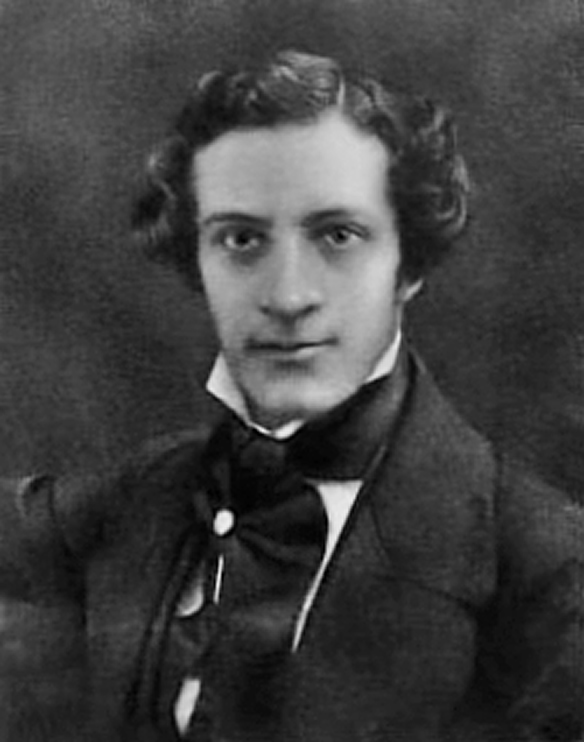
Joseph Lister (1827–1912) – The Father of Antiseptics
1. Introduction
Joseph Lister was an English surgeon who was the first to successfully apply antiseptic surgery using carbolic acid (phenol). Thanks to his work, medicine entered the era of safer surgery, as postoperative deaths caused by infection fell dramatically. He is honored as the “Father of Modern Antiseptic Surgery.”
Lister’s innovation not only saved millions of patients, but also laid the foundation for the entire modern system of infection control in medicine.
2. Life and Education
Joseph Lister was born in 1827 in Upton, Essex, England, into a Quaker family. His father, Joseph Jackson Lister, was a pioneering scientist in the development of the compound microscope, an achievement that inspired him to pursue medical research.
Lister studied at University College London, where he earned his medical degree in 1852. In 1856, he was appointed surgeon at the Glasgow Royal Infirmary, where he carried out most of his groundbreaking work.
3. A Major Problem in 19th-Century Medicine
In the mid-19th century, surgery was often a nightmare: operations frequently led to infection, gangrene, tetanus, and death. Operating rooms were far from sterile; surgeons operated with bare hands, did not wash them, and did not disinfect instruments. Postoperative mortality rates in European hospitals could reach 40 to 60 percent. At that time, the medical profession did not yet understand the true cause of infection and often believed it resulted from miasma, or poisonous air.
4. Inspiration from Pasteur and the Breakthrough
In 1865, Lister read Louis Pasteur’s work on microorganisms and fermentation. He realized that wound infections might be caused by bacteria entering from the air, and that if these organisms could be destroyed, patients might be saved from death.
Lister decided to experiment with carbolic acid (phenol)—a substance then used to deodorize sewage—to wash hands and disinfect instruments and wounds. The results were extraordinary: within three years, the postoperative death rate in Glasgow fell from 45 percent to 15 percent. He published these findings in 1867 in a series of papers entitled “On the Antiseptic Principle in the Practice of Surgery” in The Lancet, a milestone widely regarded as the beginning of modern antiseptic surgery.
5. Applications and Antiseptic Techniques
Lister proposed standard procedures for the operating room, including:
- Washing hands with carbolic acid before and after surgery
- Soaking instruments and sutures in antiseptic solution
- Disinfecting wounds and dressings with phenol solution
- Spraying carbolic mist to cleanse the air in the operating room
Through these steps, he saved hundreds of patients at a time when infection was almost synonymous with death.
6. Difficulties and Opposition
Like Ignaz Semmelweis before him, Lister was also mocked and met with skepticism. Many doctors believed that spraying phenol in the operating room was impractical and time-consuming. However, repeated success in hospitals across Britain and Europe proved the undeniable effectiveness of his method.


Other Posts