

.jpg)

Defibrillator – Saving the Heart from the Boundary Between Life and Death
1. Introduction
The defibrillator is a medical device used to deliver a controlled electric current to the heart in order to restore a normal rhythm when a patient experiences ventricular fibrillation or cardiac arrest caused by arrhythmia. It is a groundbreaking invention in emergency resuscitation, helping save millions of lives around the world each year.
The defibrillator is a symbol of life-saving interventional medicine—where time is measured in seconds and knowledge determines the boundary between life and death.
2. Historical Development
The concept of defibrillation emerged in the early 20th century, when physiologists began studying the effects of electricity on the heart muscle.
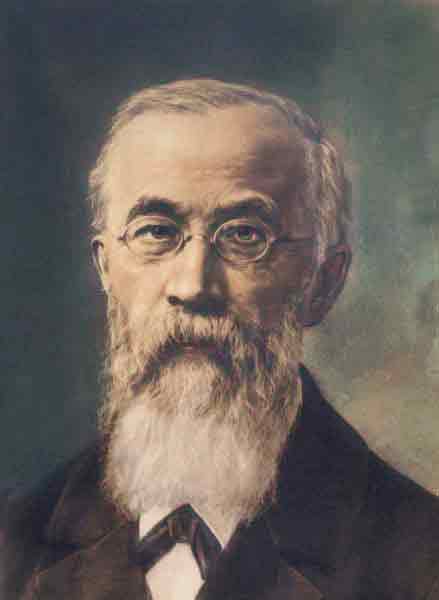
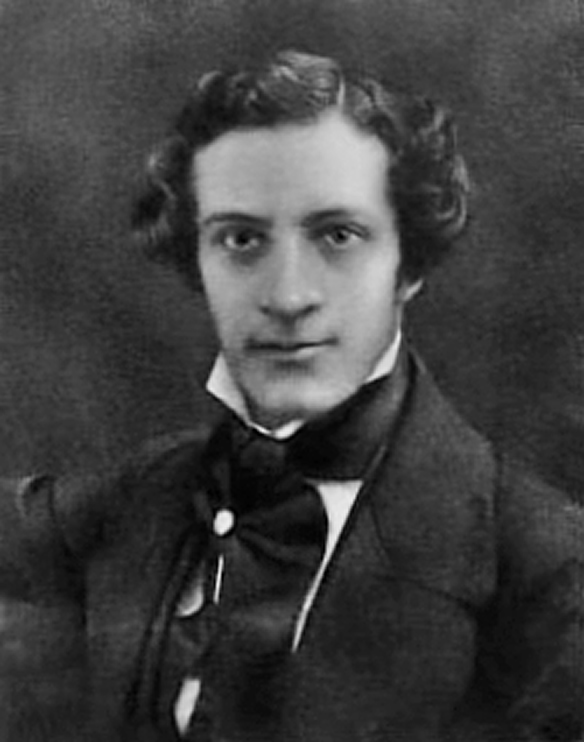
- 1899: Two Swiss scientists, Jean-Louis Prévost and Frédéric Batelli, discovered that a strong electric current could stop the heart, but a current of appropriate intensity could make it beat again. This became the first physiological foundation of defibrillation.
- 1930s: Russian physiologist Yevgeny O. Kouwenhoven and colleagues at Johns Hopkins University in the United States successfully tested external defibrillation on dogs, showing that an electric shock could stop ventricular fibrillation and restore a normal sinus rhythm.
- 1947: Dr. Claude Beck at Case Western Reserve University in the United States saved a patient for the first time using direct defibrillation during open-heart surgery. This was a historic turning point that marked the clinical birth of the defibrillator.
3. The Evolution of Defibrillation Technology
After its initial success, defibrillation technology went through several major stages of development:
- 1956: Dr. Paul Zoll developed the first external defibrillator, making it possible to save cardiac arrest patients outside the operating room.
- 1960s: Portable defibrillators were introduced, allowing medical personnel to carry them during field emergencies.
- 1970s: Bernard Lown improved the technique with the biphasic waveform, reducing the energy required and minimizing damage to the heart muscle.
- 1980s: The automated external defibrillator (AED) appeared, capable of automatically analyzing heart rhythm and guiding users to deliver a safe shock.
4. Structure and Operating Principle
A defibrillator consists of several main components:
- Power source (battery or capacitor): generates a high-intensity electric current
- Rhythm analysis unit: identifies the type of arrhythmia requiring defibrillation
- Two electrodes (pads or paddles): placed on the chest to conduct electricity through the heart
- Control system: selects the energy level and timing of the shock
Operating principle: A strong electric current (200–360 joules) is delivered through the heart over a very short period (1–2 milliseconds), temporarily “resetting” the heart’s electrical activity so that the sinus node can restart a normal rhythm.
5. Types of Defibrillators in Use Today
- Automated External Defibrillator (AED): Designed for non-professional users, with voice instructions and automatic rhythm analysis, commonly placed in public areas.
- Manual Defibrillator: Used by physicians, allowing adjustment of energy level, shock mode, and ECG monitoring.
- Implantable Cardioverter Defibrillator (ICD): A small device implanted in the chest that automatically detects and corrects dangerous arrhythmias.
6. Significance in Modern Medicine
The defibrillator is a bridge between life and death in emergency resuscitation:
- It can increase survival rates to 60–70% if defibrillation is performed within the first minute.
- It is an essential device in operating rooms, emergency departments, ambulances, and major public spaces.
- It demonstrates the power of interventional medicine—where technology, rapid response, and humanity come together.
Each time a defibrillator is activated, it is not merely an electric shock, but a chance for life to return.
7. Conclusion
From physiological experiments in the 19th century to today’s intelligent devices, the defibrillator has saved millions of lives and become a symbol of modern emergency medicine. This invention not only changed the way physicians confront death, but also restored the heartbeat of humanity.
“Every time a defibrillator works, medicine wins against time.”
A tribute to the pioneers who opened the era of cardiovascular resuscitation.


Other Posts