

.jpg)
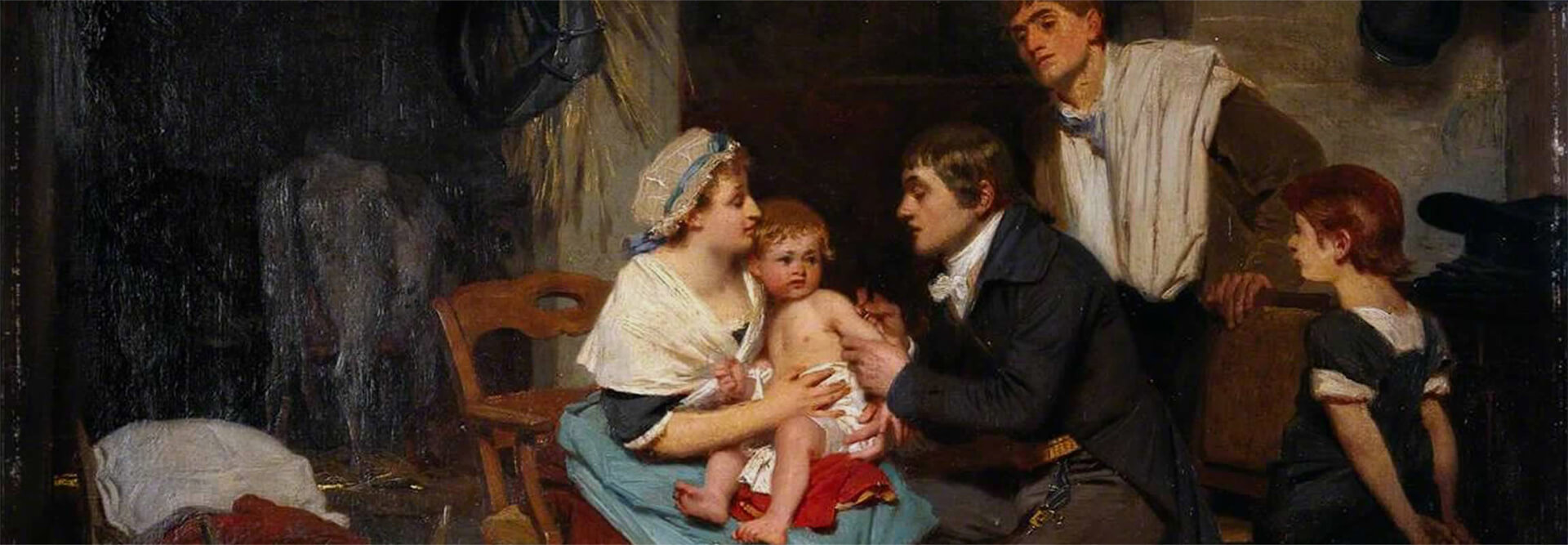
The Invention of the Syringe – A Turning Point in the History of Modern Medicine
1. Introduction
The syringe is one of the most important inventions in modern medicine, allowing medications, vaccines, or nutritional fluids to be delivered directly into the human body with precision and safety. Thanks to the development of the syringe, injections, anesthesia, vaccination, and infusion therapy have become fundamental to modern clinical medicine.
Although simple in structure, the syringe is the result of hundreds of years of technical refinement and experimental observation—from the earliest ideas of 17th-century scientists to the modern disposable plastic design.
2. The Earliest Ideas
The origins of the syringe can be traced back to ancient times, when the Greeks and Romans used hollow tubes or animal bladders to introduce liquids into the body through natural openings. However, the principle of direct injection into veins or tissues only emerged in the 17th century, when scientists began studying blood circulation.
In 1650, the English inventor Christopher Wren—better known as the architect of St. Paul’s Cathedral in London—experimented by injecting wine and opium into dogs using an animal bladder connected to a hollow goose quill and a silver needle. This is considered the first intravenous injection experiment in history.
3. The Invention of the Hollow-Needle Syringe (19th Century)
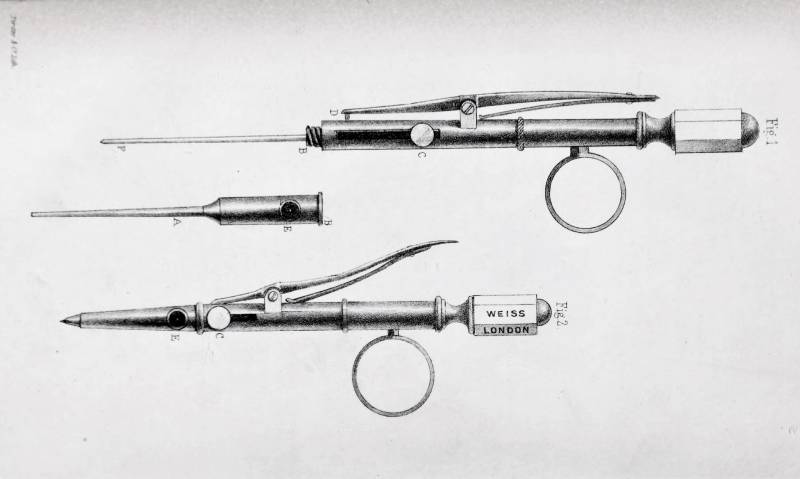
Although the early concept already existed, the true invention of the modern syringe took place in the mid-19th century. In 1853, two scientists—Alexander Wood in Britain and Charles Gabriel Pravaz in France—almost independently invented the hollow-needle syringe.
Wood developed a glass syringe with a plunger to inject morphine under the skin for pain relief, while Pravaz created a metal syringe with a plunger and a hollow silver needle for vascular surgery.
The combination of a hollow barrel, a pushing plunger, and a hollow needle established the principle of the modern syringe, opening the possibility of delivering medicine directly into tissue or blood vessels with great precision.
4. Improvements and Applications in the 20th Century
After its invention, the syringe was quickly improved and widely adopted:
- 1880s: Graduated glass syringes began to be mass-produced, allowing precise dosage measurement.
- 1899: The American company Becton Dickinson began commercial syringe production, laying the foundation for the medical device industry.
- 1949: Arthur E. Smith in the United States invented the disposable plastic syringe, helping prevent cross-infection.
- 1956: Dr. Colin Murdoch of New Zealand was granted a patent for a disposable plastic syringe with a rubber plunger—a design still used today.
Thanks to these improvements, the syringe became a symbol of safe, precise, and humane medicine.
5. The Syringe in Modern Medicine
Today, the syringe is widely used in nearly every field of medicine:
- Vaccination: helping prevent global epidemics
- Anesthesia and resuscitation: delivering anesthetics, painkillers, insulin, and antibiotics
- Aesthetic medicine and dentistry: injecting botulinum toxin, fillers, and local anesthetics
- Research and laboratory testing: injecting samples into analytical equipment or cells
Modern technologies such as auto-disable syringes, ultra-fine needles, painless needles, and auto-injectors continue to make medicine safer and more humane than ever before.
6. Meaning and Impact
The invention of the syringe was a turning point in clinical medicine and human history:
- It improved treatment effectiveness and control of drug dosage.
- It reduced mortality from infectious diseases and surgery.
- It made vaccination and emergency treatment possible around the world.
- It became a symbol of trust between doctor and patient—when a single injection can bring hope and life.
7. Conclusion
From Christopher Wren’s early experiments to today’s sterile plastic syringes, the more than 350-year journey of this invention has completely transformed the face of medicine. The syringe is not merely a tool, but also a symbol of knowledge, responsibility, and compassion in healthcare.
“A small injection – a great step for humanity.”
A tribute to the legacy of those who pioneered the medical art of injection.


Other Posts