

.jpg)
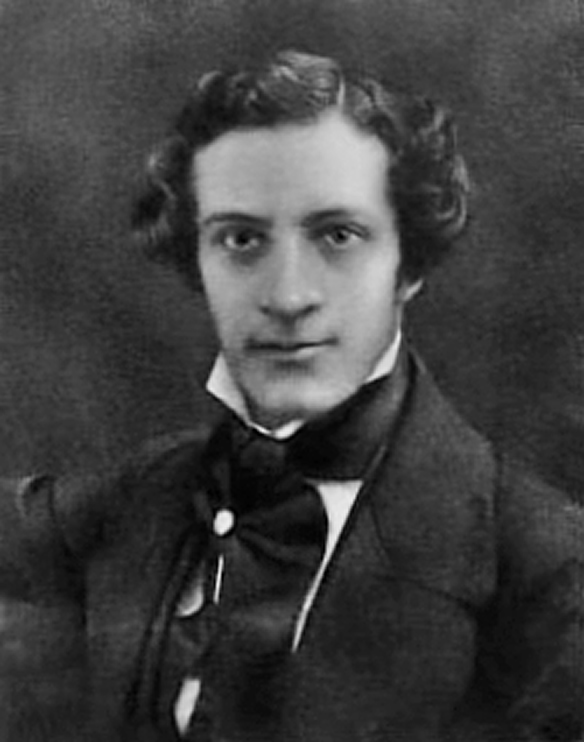
SIR FREDERICK GRANT BANTING – THE CO-DISCOVERER OF THE HORMONE INSULIN
Biography and His Path into Medicine
Frederick Banting was born on November 14, 1891, in Ontario, Canada. He graduated in medicine from the University of Toronto and served as a medical officer during World War I. After the war, Banting returned to teaching and medical practice, while continuing to nurture his passion for research in search of treatments for some of the most serious diseases of his time.
The Journey to the Discovery of Insulin
In the early 20th century, diabetes—especially type 1 diabetes—was almost a death sentence. Scientists suspected that the pancreas played a crucial role in regulating blood sugar, but no one had yet succeeded in isolating the substance needed to treat the disease.
In 1920, while preparing a lecture on the pancreas, Banting came up with an early idea for isolating the islets of Langerhans, the part of the pancreas believed to produce a substance capable of controlling blood sugar. With the support of Professor J.J.R. Macleod and the close collaboration of young researcher Charles Best, Banting carried out a series of animal experiments and succeeded in obtaining a hormone extract from the pancreas.
On January 11, 1922, the first dose of insulin was administered to a 14-year-old diabetic patient named Leonard Thompson, marking a historic turning point in medicine. From that moment on, insulin became a “golden key” to preserving the lives of diabetic patients around the world.
Honors and Influence
In 1923, Frederick Banting and J.J.R. Macleod were awarded the Nobel Prize in Physiology or Medicine for this groundbreaking achievement. Banting shared his prize money with Charles Best, an act that reflected his humility and respect for his colleague.
The discovery of insulin not only saved countless patients, but also laid the foundation for modern endocrinology, enabling the development of many later treatments related to hormones, metabolic disease, and molecular biology research.
Legacy
Frederick Banting remains a model of perseverance, scientific creativity, and the humanitarian spirit of a physician. He also had a passion for painting and was known as an artist in addition to his distinguished medical career. Banting died in 1941 in a plane crash, but his name remains forever linked with the “miracle of insulin.”


Other Posts