

.jpg)

Congenital Epidermodysplasia Verruciformis / Tree Man Syndrome
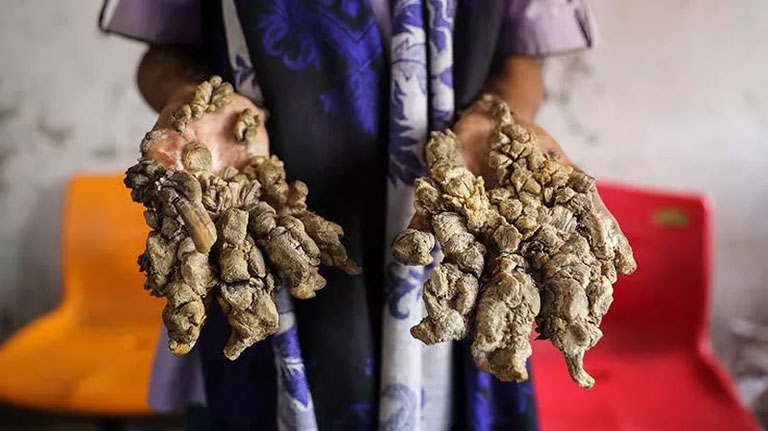
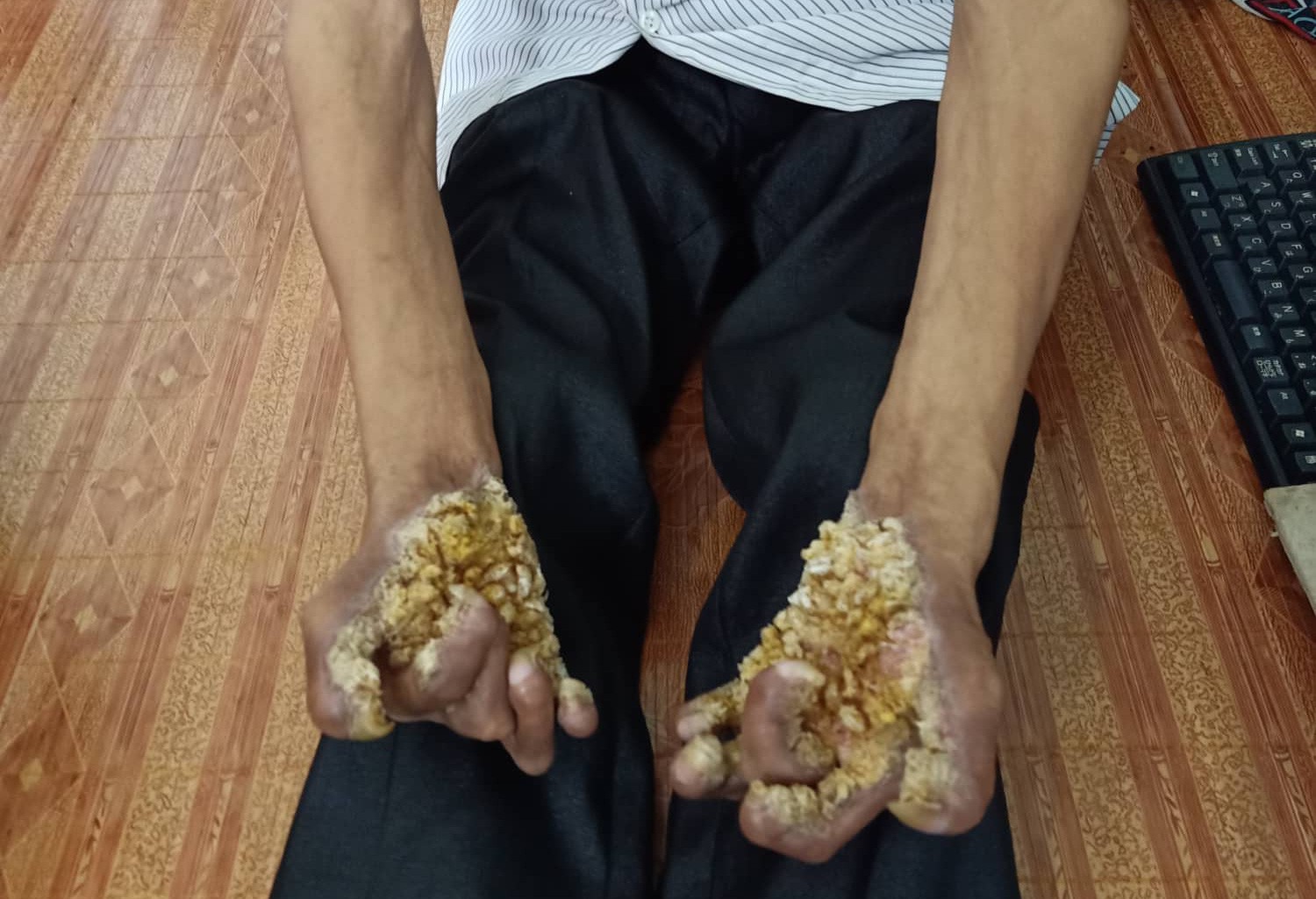
Epidermodysplasia Verruciformis (EV), commonly known in popular culture as "Tree Man Syndrome," is an extremely rare autosomal recessive hereditary dermatological disorder. The disease is characterized by an abnormal susceptibility of the cutaneous immune system to specific strains of human papillomavirus (HPV). This results in the widespread growth of hyperkeratotic, warty cutaneous lesions resembling tree bark or branches emerging from the patient's body.
1. Epidemiology and Etiology
-
Rarity: It is one of the rarest genetic skin disorders in medical literature, with slightly over 500 cases reported worldwide.
-
Causative Gene Mutations: Caused by loss-of-function mutations in either the EVER1 (TMC6) or EVER2 (TMC8) genes located on chromosome 17q25.
-
Pathogenesis:
-
In healthy individuals, the EVER1 and EVER2 proteins form a complex with zinc within the endoplasmic reticulum to regulate and suppress HPV replication.
-
When these genes undergo mutation, cell-mediated immune responses become severely compromised, leaving the body unable to defend against Beta-HPV subtypes (particularly HPV-5 and HPV-8, which are typically harmless or asymptomatic in healthy individuals).
-
The unchecked HPV virus inhibits keratinocyte apoptosis and drives uncontrolled cellular proliferation, resulting in the formation of thick, rough, bark-like keratinous skin growths.
-
2. Detailed Clinical Symptoms
Symptoms typically begin to manifest between 1 and 20 years of age (most commonly during early childhood or adolescence).
-
Early Stage (Tinea Versicolor-like or Flat Wart Lesions):
-
Appearance of flat, smooth, pinkish, light-brown macules or hypopigmented macules mimicking tinea versicolor (pityriasis versicolor).
-
These primarily concentrate on sun-exposed skin areas such as the face, neck, dorsal hands, feet, and forearms.
-
-
Progressive Stage ("Tree Bark" Keratinous Masses):
-
Flat warty lesions coalesce into large, elevated, hyperkeratotic plaques with rough, coarse surfaces.
-
On the hands, feet, and limbs, these keratinous cutaneous masses grow elongated, curved, and hardened, closely resembling tree branches or conifer bark.
-
These growths cause severe functional impairment, severely restricting fine motor skills, mobility, and independent daily living activities.
-
3. Severe Complication: Cutaneous Carcinoma
The most critical concern associated with Epidermodysplasia Verruciformis is the exceptionally high risk of malignant transformation:
-
Malignancy Rate: Approximately 30% to 50% of EV patients develop Squamous Cell Carcinoma (SCC) or, less frequently, Basal Cell Carcinoma (BCC).
-
Age of Onset: Malignancies typically emerge during the third to fourth decades of life (ages 30–40).
-
Localization and Triggers: Carcinomas occur predominantly on skin regions exposed directly to ultraviolet (UV) radiation from sunlight. UV radiation, combined with the oncogenic presence of HPV-5 and HPV-8, causes cumulative DNA damage, driving rapid malignant transformation and aggressive tissue invasion.
4. Diagnosis
-
Skin Biopsy (Histopathology): Demonstrates hyperkeratosis, acanthosis, and characteristic enlarged keratinocytes featuring clear perinuclear halos and coarse blue-grey cytoplasmic granules.
-
Microbiological / PCR Testing: Identifies the presence of specific Beta-HPV strains (such as HPV-5, HPV-8, HPV-14, and HPV-17).
-
Molecular Genetic Testing: Gene sequencing confirms mutations within the TMC6 (EVER1) or TMC8 (EVER2) genes.
5. Treatment and Clinical Management
There is currently no definitive cure for the underlying EVER1/EVER2 genetic defects. Management focuses on controlling lesion progression, preventing malignant conversion, and improving quality of life:
-
Strict Photoprotection (Primary Priority):
-
Application of daily broad-spectrum sunscreen (SPF 50+).
-
Absolute avoidance of direct sunlight exposure to minimize the risk of conversion to Squamous Cell Carcinoma (SCC).
-
-
Topical and Systemic Interventions:
-
Systemic Retinoids (Isotretinoin, Acitretin): Help slow down keratinization and reduce lesion growth rates, though recurrence typically occurs upon treatment discontinuation.
-
Surgical Excision / Debridement: Surgical removal of massive keratinous growths on hands and feet to restore basic physical functionality.
-
Cryotherapy or Laser Therapy: Applied to localized, smaller individual lesions.
-
Imiquimod or Systemic Interferon: Immunomodulatory therapies aimed at boosting local immune responses to reduce HPV viral load.
-
-
Routine Oncological Screening: Patients require lifelong follow-up with a dermatologist for early detection of malignant transformations, allowing timely surgical intervention and tumor resection.


Other Posts
.jpg)
.jpg)