
.jpg)

Aquagenic Urticaria (Water Allergy)
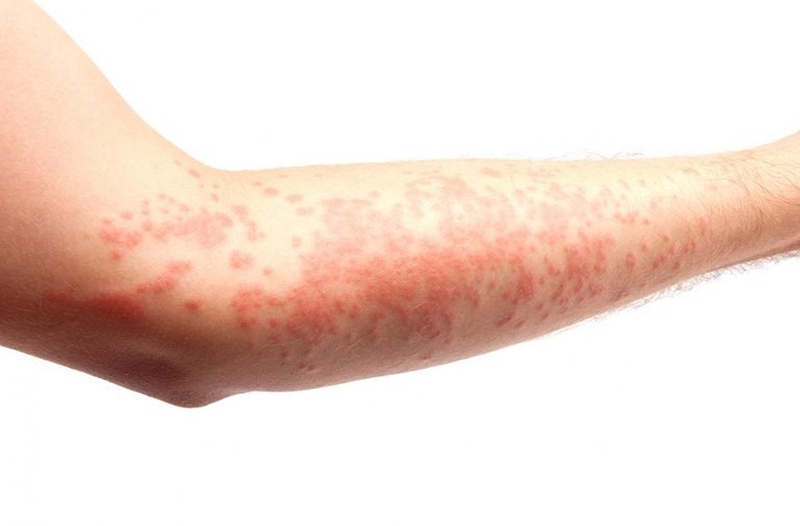
Aquagenic Urticaria is an extremely rare form of physical urticaria (hives). It is characterized by the rapid onset of itchy hives, rashes, and red wheals on the skin following direct contact with water, regardless of the water's temperature (hot, cold, or warm) or its source (rainwater, tap water, sweat, or tears).
1. Epidemiology and Etiology
-
Rarity: It is one of the rarest dermatological conditions worldwide, with fewer than 100 cases documented in medical literature.
-
Demographics: Onset typically occurs during or shortly after puberty, with a higher prevalence in females than in males.
-
Pathogenesis: The exact cause remains incompletely understood, but two primary hypotheses exist:
-
Allergen Generation: Water dissolves chemical substances on the skin's outer layer (stratum corneum), creating a new toxic compound that penetrates deeper layers and triggers mast cells to release histamine.
-
Osmotic Pressure Changes: A sudden shift in osmotic pressure around the hair follicles upon contact with water causes localized immune cells to degranulate and release inflammatory mediators.
-
2. Clinical Presentation
Symptoms typically develop within 15–30 minutes after skin exposure to water:
-
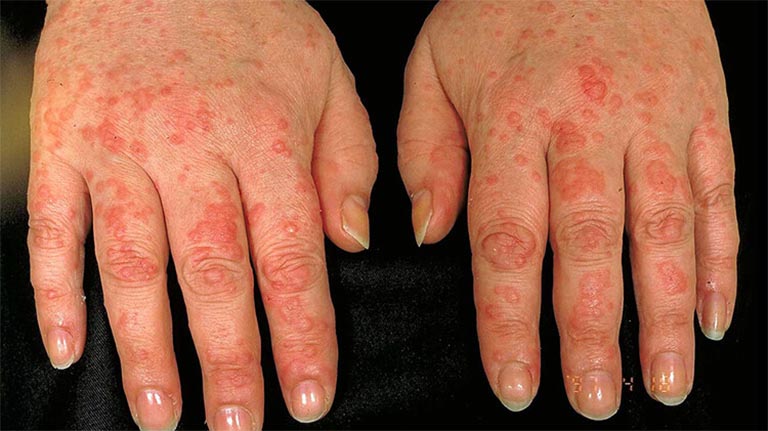
Small Hives (Wheals): Appearance of small, red wheals (1–3 mm in size), often surrounded by erythematous halos.
-
Discomfort: Severe itching (pruritus), prickling, burning sensations, or localized pain in exposed areas.
-
Common Sites: Most frequently affects the neck, upper chest, back, and arms. Palms and soles are almost always spared due to their thicker stratum corneum.
-
Duration: Flares typically resolve completely within 30–60 minutes after drying the skin and ceasing water contact.
3. Diagnosis
Diagnosis relies primarily on patient history and a Water Challenge Test:
-
A physician places a paper towel or cloth soaked in warm water ($37^circ ext{C}$) onto the patient's chest or upper back for 20 minutes.
-
A positive result is confirmed if characteristic hives or wheals develop at the contact site shortly after removal.
-
It is essential to differentiate this condition from Cold Urticaria or Cholinergic Urticaria by strictly controlling the temperature of the water during testing.
4. Management and Treatment
Because there is no definitive cure for this genetic or constitutional disorder, treatment focuses on symptom suppression and minimizing contact.
Lifestyle Modification and Preventive Care
-
Shorter Showers: Keep baths/showers brief (under 5–10 minutes), reduce showering frequency, and use lukewarm water.
-
Barrier Protection: Apply emollient creams or oil-based barrier ointments (such as petroleum jelly) to the skin prior to bathing to shield it from direct water contact.
-
Sweat Management: Wear breathable clothing and avoid high-intensity exercise in hot, humid weather.
Pharmacological Therapy
-
H1-Antihistamines: Second-generation H1-antihistamines (Cetirizine, Loratadine, Fexofenadine) are the first-line treatment, often taken prior to showers or water exposure.
-
Omalizumab (Monoclonal Antibody): Considered for severe, refractory cases that do not respond to high-dose antihistamines.
-
Phototherapy: UV light therapy may be used to thicken the epidermal layer and decrease mast cell sensitivity.


Other Posts
.jpg)
.jpg)